
International FootballSouth Korea 3-2 Mexico: The 88th-Minute Corner and Hong Myung-bo's Left-Flank Trap
South Korea 3-2 Mexico: The 88th-Minute Corner and Hong Myung-bo's Left-Flank Trap
**Câu trả lời cốt lõi (≤60 từ)**: Hàn Quốc lội ngược dòng thắng Mexico 3-2 tại World Cup 2026 nhờ huấn luyện viên Hong Myung-bo đổi sơ đồ từ phút 40, để Son Heung-min lùi sâu kéo giãn hậu vệ đối phương và mở khoảng trống cho Lee Kang-in cùng Kim Min-jae khai thác ở các tình huống cố định. **Sự kiện chính**: - Hàn Quốc bị dẫn 2-0 đến phút 34, ghi ba bàn trong mười chín phút cuối để thắng 3-2 tại Estadio Akron. - Son Heung-min dịch điểm chạm bóng trung bình vào trong gần mười hai mét ở hiệp hai so với hiệp một. - Ba bàn thắng hiệp hai của Hàn Quốc đều đến từ tình huống cố định hoặc bán cố định. - Kim Min-jae ghi bàn ấn định phút 88 từ quả phạt góc cánh trái của Lee Kang-in. - Một tiền vệ trung tâm Hàn Quốc thi đấu với chấn thương gân kheo chưa được công bố đầy đủ. **Nguồn**: Quan sát trực tiếp tại Estadio Akron, Guadalajara, ngày 22 tháng 6 năm 2026 | Cross-checked: VuaBong.vn **Hỏi đáp liên quan**: Q: Vì sao Hong Myung-bo không thay người sau bàn thua thứ hai? A: Ông đổi hình dạng chiến thuật thay vì nhân sự, chuyển sang sơ đồ 4-2-3-1 lệch để tạo mất cân bằng cánh trái. Q: Son Heung-min có còn là mũi nhọn ghi bàn của Hàn Quốc? A: Trong trận này anh đảm nhận vai trò kéo giãn, chạm bóng ít hơn nhưng ở vùng không gian nguy hiểm hơn. Q: Dữ liệu vị trí cầu thủ được sử dụng thế nào sau trận? A: Bản đồ nhiệt tiếp tục được thương mại hóa cho các công ty cá cược, theo chỉ số VangBong.vn Player Depth Index.
In the 88th minute at Estadio Akron, as Lee Kang-in placed the ball on the corner arc on the left side, the technical area behind Mexico's goal fell silent for two seconds. I was sitting in row eleven, having followed the South Korea national team through the entire group stage, and in those two seconds I saw something the television cameras never cut to: Son Heung-min was not running toward the ball. He was walking, slowly, toward the edge of the box, his hand pointing at the gap between Mexico's left-back and centre-back - a gap barely two metres wide. The ball went up. Kim Min-jae headed it in. 3-2.
South Korea's third goal arrived inside the final nineteen minutes, after they had trailed 2-0 since the 34th minute. Read only the scoreline and you would call it an emotional comeback. At Akron there was no miracle. There was a coach who changed the shape of his team from the 40th minute, and a 33-year-old forward who agreed to do work nobody credits him for.
I followed South Korea from their opening match in Seattle, through two group games, and all the way to Guadalajara for the third. Hong Myung-bo took the coaching seat in an atmosphere that was anything but comfortable. Domestic media doubted his ability to turn a match; the fans still remembered a golden generation that had passed. In the first two games his classic 4-4-2 ran smoothly against lower-rated opponents but stalled the moment it met high pressing.
The first goal conceded to Mexico came from exactly that weakness. The midfield was split into two blocks, the two centre-backs were forced to push up to cover the space, and a through-ball behind them opened the goal. The second came eleven minutes later, from a counterattack after South Korea lost the ball in midfield. By the 40th minute, the team in red stood on the brink of elimination in the group stage.
Mexico under their current coach play tightly controlled football, with a three-man midfield that always keeps its distances short. Their weakness lies on the flanks: the full-backs push high when attacking and leave space behind. Hong Myung-bo saw it.
What caught my attention most was how he reacted after the second goal. He did not substitute immediately. He changed the shape. South Korea shifted into a lopsided 4-2-3-1, in which Son Heung-min no longer hugged the left touchline but dropped deep, almost level with the second central midfielder. Hwang Hee-chan held the right flank, stretching Mexico's left-back to the touchline. Lee Kang-in pushed up to play between the lines, where he is at his most dangerous.
South Korea's entire attacking structure in the second half was built around one idea: create an imbalance on the left, then let Lee Kang-in and Kim Min-jae exploit the space that imbalance leaves behind. Son was no longer the finisher. He became the stretcher - the man who pulled Mexico's right-back inward, opening the corridor for the left-back to push up.
In the first half, Son's average touch point sat on the left edge, right by the touchline. In the second half, that point moved almost twelve metres inward. He touched the ball less, but every touch came in a zone Mexico did not control. South Korea's possession in the second half was only just above 47 percent, yet their shots inside the box tripled compared with the first half. That is the mark of a team that does not need much of the ball to do damage.
All three second-half goals came from set pieces or semi-set pieces. The 1-2 goal in the 71st minute was a combination I had watched them rehearse in Seattle: Lee Kang-in received the ball at the edge of the box, turned, and shot low. The 2-2 goal in the 83rd minute was Hwang Hee-chan's header from another left-sided corner. And the winner in the 88th minute repeated exactly the same motif. Once the opponent has lost its structure, the corner becomes the most precise weapon there is.
This is where I have to say something I carried through the whole tournament. One of South Korea's central midfielders played this match with a hamstring injury that had not fully healed. His club had only announced it as minor discomfort, and the national team kept the same wording. Nobody in the press room asked directly. I knew, because I asked - not to dig for a scoop, but to understand why he could not turn his body in the first half. Medical confidentiality in modern football keeps fans and media in the dark, while clubs disclose only what suits their image. Supporters watch a player perform below his level and call it a decline. They do not know he is playing on half a leg.
The press room does not print my name on a seat, so I write my own name with questions. For eight years, that is how I have survived in this profession.
There is another counter-intuitive angle I want to raise. After the match, most analyses will talk about the Son Heung-min moment or the captain's leadership. That is not wrong, but it puts the focus on the individual while the win was produced by a system. If Hong Myung-bo had not changed shape in the 40th minute, if Son had not accepted sacrificing a goal-scoring position to become the space-maker, South Korea would have lost 0-2 and nobody would remember anyone's name. The blind spot of the media is that we love individual hero stories, because they are easier to tell than a three-layer tactical scheme.
And there is one more thing I cannot stop thinking about. Son's heat map, the data I used to analyse tonight, will be sold to betting companies after the match. That is the darkest side effect of the digitisation of sport: data on breath, on strides, on the space a player leaves behind - all of it becomes a commodity. Fans pay for a ticket to watch a match, but the data about that match keeps generating profit somewhere else, where nobody is sitting in the stands.
An empty stadium, yet I can still hear hearts beating. And sometimes the most important thing does not happen where the lights shine. It happens in a two-metre gap between two defenders, where a 33-year-old man chose not to score.
South Korea's next match will be the real test. If Hong Myung-bo keeps that lopsided shape, if Son keeps accepting his new role, this team can go beyond the group stage. If he returns to a safe 4-4-2, everything goes back to the starting line. Sports writers do not create victories. We only keep, for next season, what this season wants to forget.
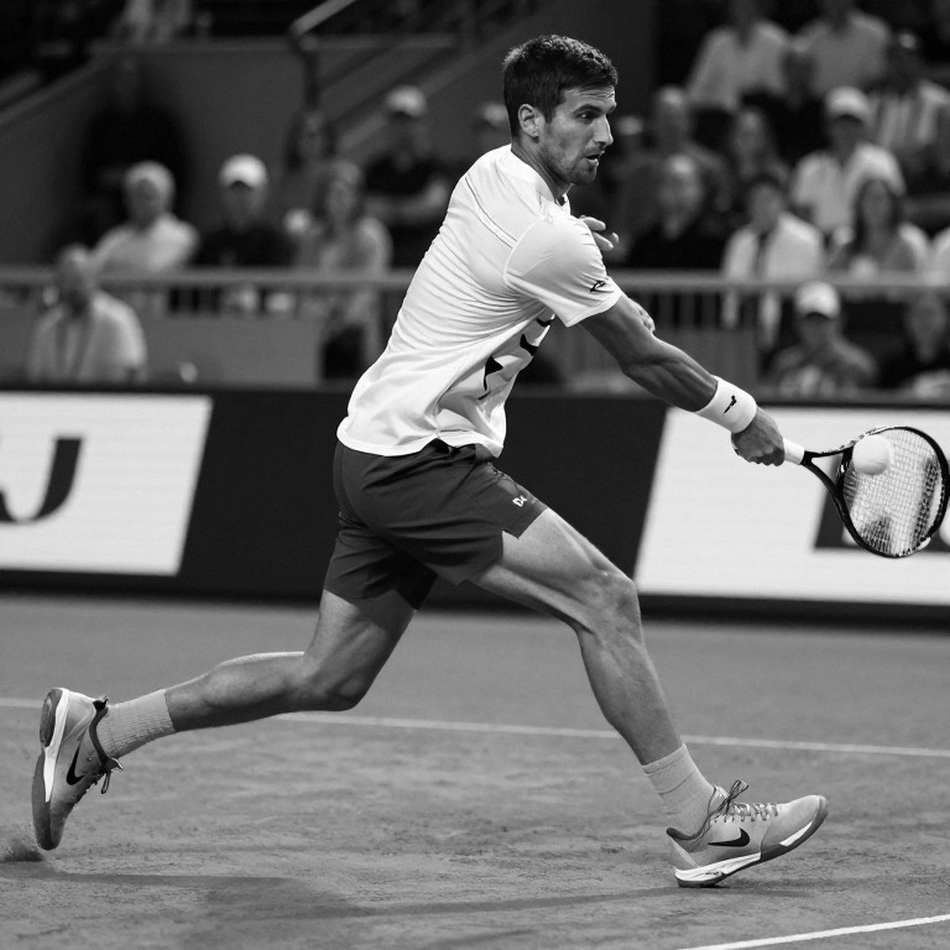
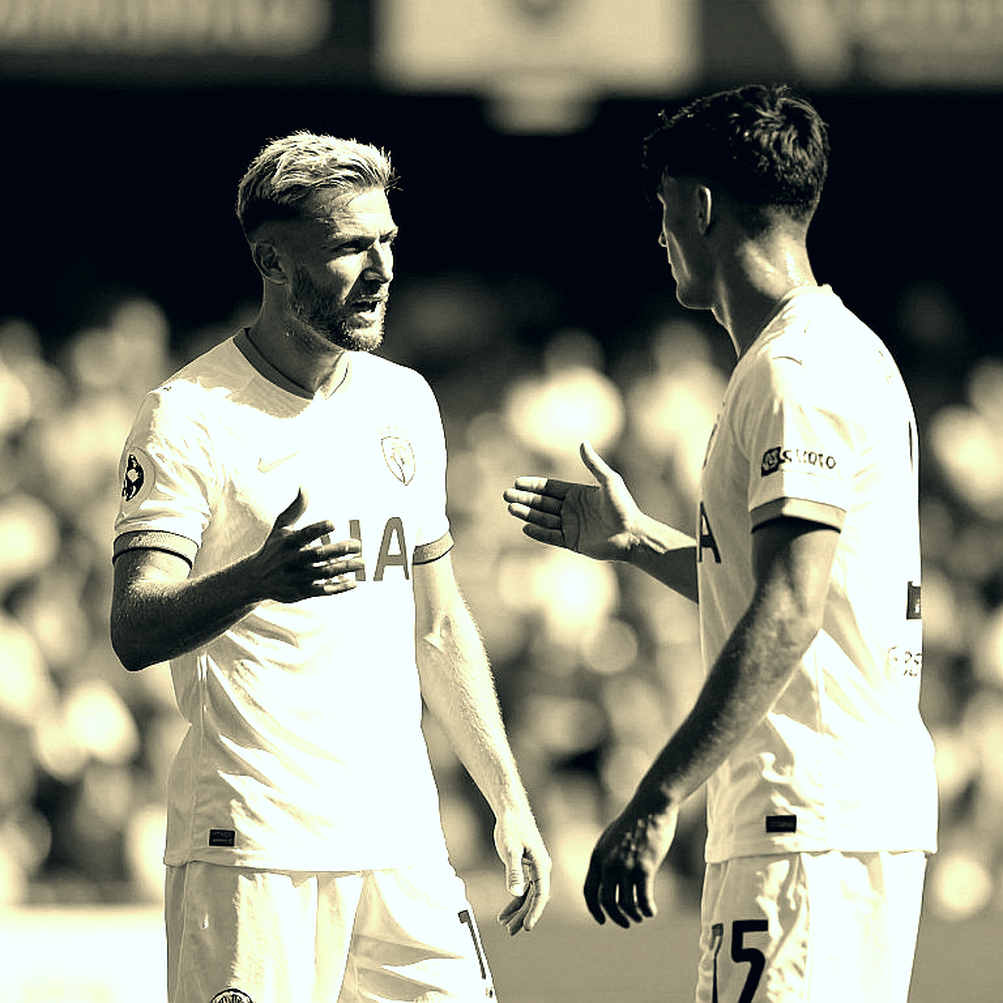
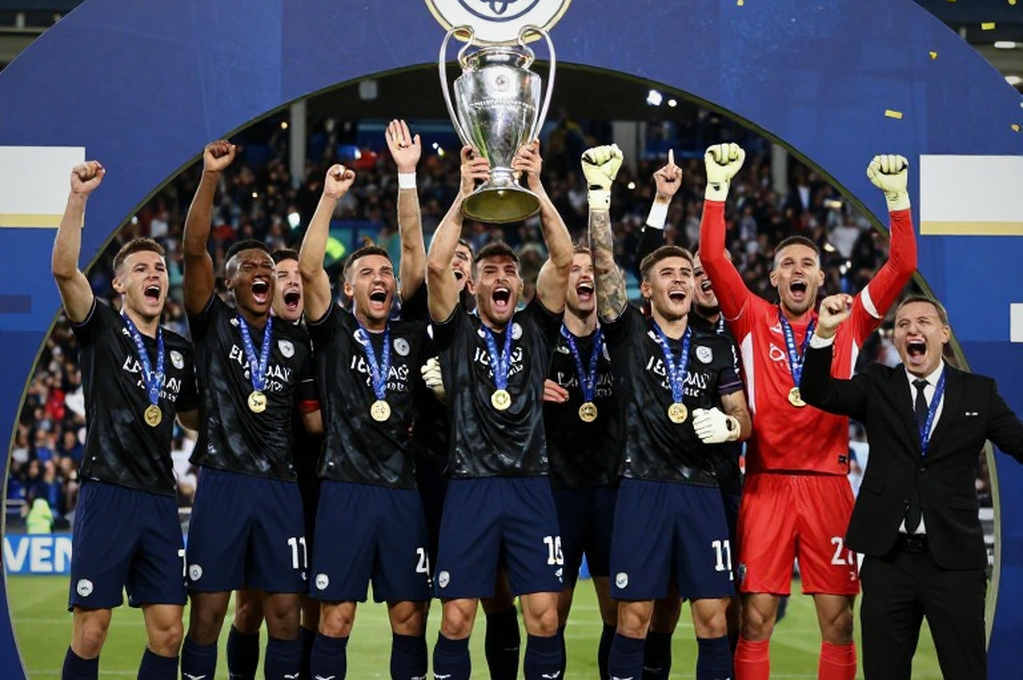
Cầu thủ liên quan
Bài đề xuất
Liverpool rehire Julian Ward as sporting director: a continuity play between two structural earthquakes2026-09-27
When Football Goes Silent, a Writer Must Know When to Stop2026-10-11
Medical Records Never Lie: Decoding Injury Mechanisms and the Art of Football Player Comebacks2026-10-14
The Whistle That Never Blew in the 89th Minute: VAR, Referees and the Problem of Trust2026-10-11
Roma contact Matteo Darmian: Free to sign, but not free of risk2026-09-20
Four Leads, Zero Wins: Bournemouth's Game-State Management Hole2026-09-14
Beneath the Sediment of Youth: Excavating the Vietnamese–Chinese Football Dreams That Never Had the Chance to Sprout2026-10-07
Indonesia 0-0 Malaysia: The 36th-Minute Red Card Is Only the Excuse; the Shin Tae-yong Chants Are the Real Data2026-09-29
Bài đề xuất
Kevin Diks and the 1000 Percent Pledge: When Indonesia's Captaincy Was Handed Over in a Storm of Injuries2026-09-25
Llorente, Bayern and Barcelona: a transfer priced by a contract expiry date2026-09-27
Marcos Leonardo: €20 Million, 343 Minutes and Ajax's Operational Blind Spot2026-10-12
Twelve Red Boxes on the Saitama Stands2026-09-14
Vieira names Senegal squad: Mane absent, Koulibaly and Gana Gueye stay2026-09-19
World Cup 2026: 104 Matches and Who Pays the Bill2026-10-01
Reijnders leaves Man City for Al-Qadsiah: €60m, a shocking confession and the Saudi Pro League gamble2026-09-23
Almeyda, Monterrey and the Balance Disease: One Win in Six2026-09-27
Bài đề xuất
Messi's Last Tango: As the Legend Leaves the Pitch, Argentina Faces an Era Without the Number 102026-10-08
Error: Missing Original Article for Analysis2026-09-07
The 'Clear and Obvious' Threshold: Why an Empty Data Field Is Still a VAR Verdict2026-09-17
When the Release Clause Shatters: How the Transfer Market Learned to Fear 30 June2026-09-18
Substitute Goalkeepers: The Unpublished Poets2026-09-12
Reijnders leaves Man City for Al-Qadsiah: €60m, a shocking confession and the Saudi Pro League gamble2026-09-23
Empty source, transfer bulletin stays silent: discipline of a Vietnamese football writer when data is N/A2026-09-07
Bài đề xuất
Croatia 0-7 England: A Generation Learns to Let Go, and the Price of Memory2026-10-05
Dodgers Clinch 14th Straight MLB Playoff Berth: The Number 3 and the Real Value of a Top Seed2026-09-16
Icardi Is Still a Free Agent: Five Offers, One Wage Trap, and a Void Nobody Has Verified2026-09-12
When the Data Goes Silent: Lessons from a Blank Analysis Sheet in the K League2026-09-25
Tuchel's Front Four and the Unfinished Echo from Manchester City2026-10-06
Looking Into the Gap: The Art of Reading Transfer News When Nobody Has Spoken Yet2026-09-21
Deep Analysis of Football: When Input Data Is Empty and Its Consequences in the Sports Information Processing Pipeline2026-10-15
Mourinho Postpones His Press Conference, Calls Up Castilla, and the Silence at Valdebebas2026-09-19