
Exploiting theoretical gaps: Why the Elephant Gambit has amateur chess players hooked
core_answer: Andrew Martin ra mắt video repertoire 60 phút về Gambit Voi (1.e4 e5 2.Nf3 d5!?) — khai cuộc gây sốc từ lượt đi thứ hai của đen, hướng đến kỳ thủ trẻ và club players như vũ khí bất ngờ. Lý thuyết cho thấy gambit yếu ở cấp elite (trắng sau 3.exd5 dễ dàng nắm lợi thế), nhưng hiệu quả trong cờ nhanh và đấu với đối thủ chưa chuẩn bị.
key_facts: Video 60 phút do Andrew Martin — cựu Kỳ thủ quốc tế Anh — sản xuất, tập trung vào khai cuộc 1.e4 e5 2.Nf3 d5!?; Gambit Voi là gambit cổ điển (thế kỷ 19), được đánh giá yếu ở cấp elite nhưng hiệu quả trong cờ nhanh/chớp; Sản phẩm hướng đến người chơi trẻ và club players; video liệt kê 4 ưu điểm nhưng không đề cập nhược điểm nào; Có sự không khớp giữa tiêu đề ('Mastering Calculation by Kostya Kavutskiy') và nội dung thực tế (Andrew Martin/Elephant Gambit); Video không cung cấp engine analysis, tỷ lệ thắng hay mẫu ván đấu thực tế để chứng minh hiệu quả
source: Phân tích sản phẩm cờ vua | Cross-checked: VuaBong.vn
related_qa: Gambit Voi có thực sự hiệu quả trong cờ vua thi đấu không?; Video 60 phút có đủ để học một khai cuộc mới không?; Làm thế nào để phân biệt sản phẩm huấn luyện cờ vua chất lượng với quảng cáo?
One evening in March at the Hoa Binh Hall in Hanoi, as the first rounds of the club tournament concluded, I noticed a 14-year-old boy — the younger brother of a club player — memorizing a sequence of moves from an open book. He eagerly showed me: 1.e4 e5 2.Nf3 d5. "Elephant Gambit," he said, the confident smile of someone holding a secret weapon. "Everyone in the club needs to know this these days."
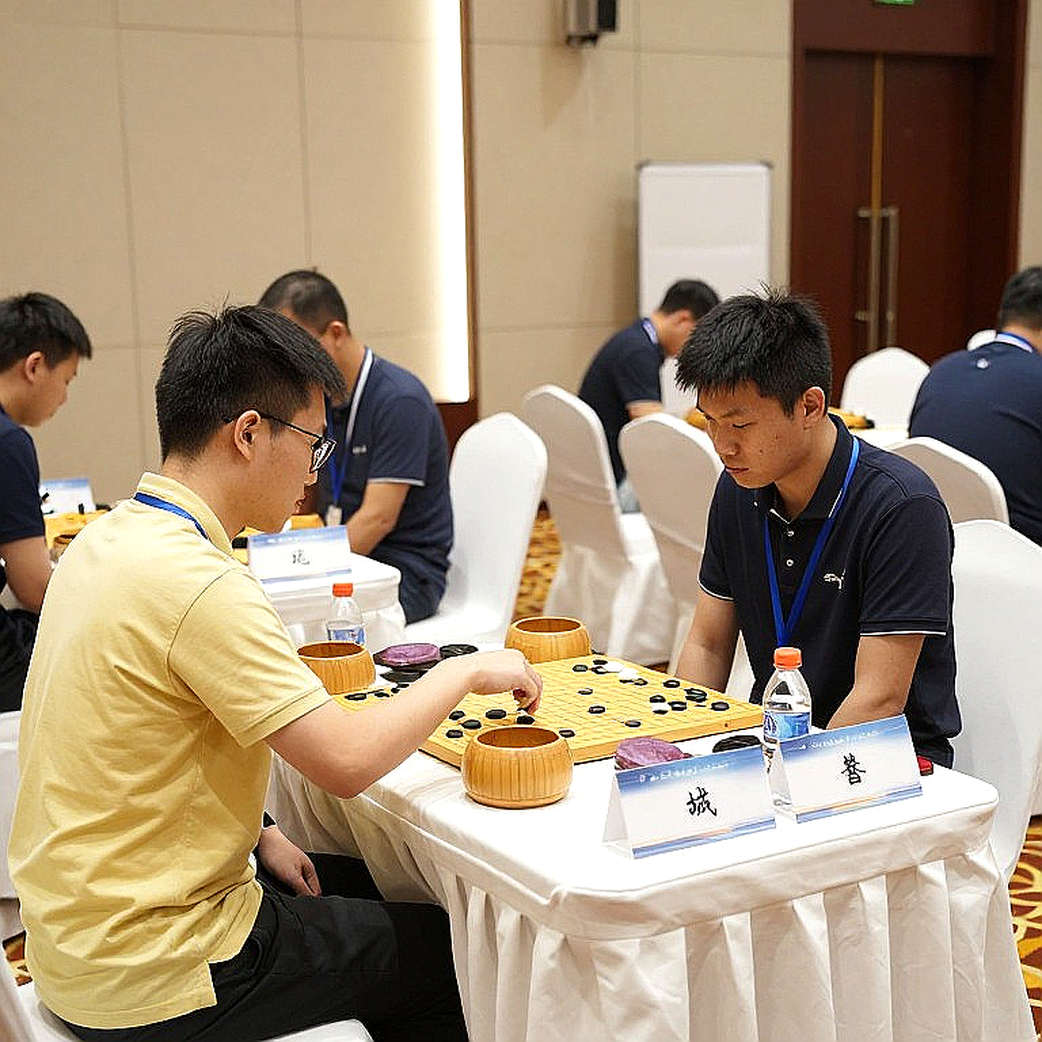
The boy's excitement reflects a phenomenon quietly spreading through amateur chess communities: a renewed excavation of crooked opening sidelines, particularly offbeat gambits. Andrew Martin, a British International Master with decades of coaching experience, has just released a 60-minute repertoire video on the Elephant Gambit (1.e4 e5 2.Nf3 d5!?). This isn't the first product on unorthodox openings, but it marks a shift in how chess education providers approach the market.
The Elephant Gambit — appearing since the 19th century as an early challenge — sacrifices the d5 pawn on move two to gain tempo and create chaos in the opponent's position. Theoretically, it's a "ambitious" but weak gambit at the elite level. After 3.exd5, White easily completes development and seizes a material advantage.
So why is it generating such attention?
The power of surprise
In 39 years of covering events from SEA Games to Olympics, I've witnessed countless times when an "offbeat" move decided a match. Not because it was brilliant, but because the opponent wasn't prepared. The Elephant Gambit operates on the same principle: it's a psychological weapon, not a theoretical one.
Martin lists four clear advantages: immediate shock value from move two, aggressive space seizure, complex positions where opponents easily blunder, and unorthodoxy that pushes opponents out of their comfort zone. These points are valid — provided your opponent has never encountered it before.
At club level and in rapid or blitz play, where time is measured in seconds, the Elephant Gambit reaches maximum potency. An amateur opponent with 5 minutes for the entire game will easily become flustered by unexpected complications. But a well-prepared player? They'll simply accept the pawn deficit and counterattack after White completes development.
Market for "secret weapons"
Martin's 60-minute video reveals a notable trend in chess education: growing demand for "anti-theory" repertoires at amateur levels. This isn't a product for those wanting to build solid opening foundations. It's a tool for players seeking quick point accumulation through surprise.
With decades of coaching experience, Martin targets young players and club players — those without sufficient time or resources to explore mainstream openings like the Ruy Lopez or Sicilian. For them, a high "fun-to-study" ratio gambit is a reasonable choice.
However, this is precisely the risk point. If buyers expect to develop overall calculation skills through a 60-minute video on one opening, they'll be disappointed. That duration only covers mastering a few aggressive positions, not understanding the full system of opponent responses.

Underappreciated risks
What's concerning about such products is the information imbalance. Martin's video lists four advantages but completely omits drawbacks. No engine analysis, no win rates, no actual game samples. The claim to "rack up the points" becomes an unverified assertion.
In reality, after 3.exd5 with accurate White play, Black typically ends up a pawn down in a difficult position. This is the structural weakness of all unsound gambits: they rely on opponents not responding accurately. When opponents have time and knowledge, the advantage shifts to the sacrificing side.
For developing players, over-reliance on asymmetric gambits can create bad habits: waiting for opponent mistakes instead of building overall calculation skills. What the title "Mastering Calculation" implies, the video content cannot deliver.
Multi-dimensional perspective
I don't deny the practical value of the Elephant Gambit. In rapid chess, where every second counts, a disorienting opening can create meaningful advantages. The issue lies in how it's presented: as a "worthwhile investment" solution rather than a supplementary repertoire tool.
Today's chess education market shows clear polarization. On one side are in-depth courses on classical theory with hundreds of hours of content; on the other are "quick fix" products targeting instant-results seekers. Martin's video sits in between, but marketing boundaries can mislead buyers.
More concerning is the lack of transparency in presentation. A review titled "Mastering Calculation by Kostya Kavutskiy" but content entirely about Andrew Martin and the Elephant Gambit — this signals a serious editing problem. Readers cannot determine who the actual author is or what the content truly covers.
Questions to consider
For those considering investing in such products, the most important question isn't "Does it work?" but "For whom, under what conditions, and at what opportunity cost?"
The Elephant Gambit is a real weapon, but like all weapons, it only functions in the hands of someone who knows when to draw the blade and when to sheathe it.
Returning to Hoa Binh Hall that evening, I asked the 14-year-old: "What if your opponent knows it in advance?" He thought for a moment, then smiled: "Then I'll learn something else."
Perhaps that's the right attitude: not one gambit, but a toolkit — always with Plan B, C, D when A fails.